Wie können wir Design als Hebel für Transformation und wirtschaftlichen Erfolg nutzen? Darüber sprechen wir mit Persönlichkeiten aus Design, Markenführung und Architektur. Sie geben uns Einblicke, wie Transformation, Nachhaltigkeit und wirtschaftlicher Erfolg im Unternehmen Hand in Hand gehen können. Interessant, informativ, inspirierend.
Design Perspectives – der Podcast des German Design Council.
Design Perspectives
German Design Council
Beschreibung
Publisher & Vermarkter
Wer diesen Podcast veröffentlicht und wer die Werbeplätze vermarktet.
- Publisher Uns liegen aktuell keine Daten zum Publisher vor.
- Vermarkter Uns liegen aktuell keine Daten zum Vermarkter vor.
Podmon Kategorien
Darüber wird in diesem Podcast anteilig gesprochen.
Anzahl Kategorien
Upgrade dein Konto, um kontextuelle Kategorien zu sehen!
Chartplatzierungen
Aktuelle Platzierungen in den öffentlichen Podcast-Charts und in unseren eigenen Kategorien.
Apple Podcasts
PODMON Kategorien
Veröffentlichungshistorie
Episodenübersicht
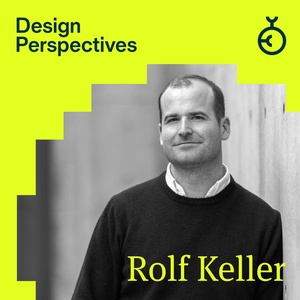
Rolf Keller: Wie hält Vitra Designmöbel im Kreislauf?
05.10.2026
Wie hält Vitra Designmöbel im Kreislauf? In dieser Folge des Design Perspectives Podcasts sprechen wir mit Rolf Keller, Head of Circularity bei Vitra, darüber, wie aus Möbeln ein funktionierendes Kreislaufgeschäft wird. Am Beispiel des „Vitra Circle for Contract” geht es um Rücknahme, Aufarbeitung und den erneuten Einsatz gebrauchter Möbel. Und darum, wie Ressourcenschonung wirtschaftlich funktioniert und welche Erkenntnisse aus dem Refurbishment in die Produktentwicklung fließen.
👤 Rolf Keller – Head of Circularity bei Vitra (LinkedIn)
🎙️ Moritz Marder – Industriedesigner & Markenstratege (LinkedIn)
📌 Takeaways:
1. Drei Schritte bilden das Geschäftsmodell: Vitra Circle for Contract umfasst den Einkauf gebrauchter Möbel, ihre Aufarbeitung und den Verkauf. Keller betont, dass der Betrieb sowohl zur Ressourcenschonung beitragen als auch wirtschaftlich tragfähig sein soll.
2. Vitra prüft Rückkaufangebote einzeln: Eine Rücknahme muss sich unter anderem logistisch lohnen. Auch Mindestmengen, verfügbare Ersatzteile, die mögliche Aufarbeitung auf nahezu neuwertigen Zustand und die Marktchancen spielen laut Keller eine Rolle. Deshalb sagt Vitra manchen Angeboten ab.
3. Refurbishment gibt Impulse für die Produktentwicklung: Keller sagt, dass viele Klassiker ursprünglich nicht auf eine einfache Aufarbeitung in großen Stückzahlen ausgelegt waren. Aus den Erfahrungen mit den Produkten ergeben sich Hinweise für Reparierbarkeit, Modularität, Gleichteile und die Kompatibilität von Produktgenerationen.
4. Die CO_2-Einsparung hängt vom Produkt ab: Keller nennt im Schnitt 60 bis 90 Prozent Einsparung gegenüber dem jeweiligen Neuprodukt. Die Berechnung hängt von der Konfiguration ab und kann verwendete Ersatzteile sowie Transport berücksichtigen.
Design Perspectives
Der Podcast des German Design Council
Wie können wir Design als Hebel für Transformation und wirtschaftlichen Erfolg nutzen? Darüber sprechen wir mit Persönlichkeiten aus Design, Markenführung und Architektur.
Sie geben Einblicke, wie Transformation, Nachhaltigkeit und wirtschaftlicher Erfolg im Unternehmen Hand in Hand gehen können. Interessant, informativ, inspirierend.
📰 Design Perspectives lesen:
https://www.german-design-council.de/design-perspectives
✉️ Unseren Newsletter abonnieren:
https://www.german-design-council.de/design-perspectives/newsletter
🔗 Weiterführende Links:
● Vitra Circle Store
● Vitra Circle for Contract
● Vitra Circle auf LinkedIn
● V-Foam
🕐 Kapitel:
01:20 – Kreislaufwirtschaft zwischen ökologischer und ökonomischer Nachhaltigkeit
06:56 – Vitra Circle for Contract: die drei Säulen des Modells
08:14 – Gebrauchte Möbel zurückgewinnen: Beschaffung und Auswahl
13:14 – 2.500 Bürostühle: vom Rückkauf zur Wiederverwendung
15:12 – Was beim Refurbishment eines Stuhls passiert
18:59 – Wirtschaftlichkeit, Qualität und Garantie
27:06 – Kommunikation, Umweltaussagen und digitaler Produktpass
32:22 – CO_2-Einsparungen durch aufgearbeitete Möbel
34:17 – Was Refurbishment über gutes Produktdesign lehrt
42:33 – Tipps für Unternehmen: ausprobieren und vorhandene Ressourcen nutzen
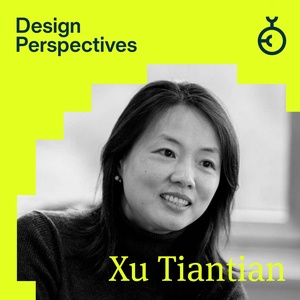
Xu Tiantian: How Can Small Architectural Interventions Create Big Changes?
08.09.2026
In this episode of the Design Perspectives podcast, Xu Tiantian is our guest – an internationally acclaimed Chinese architect and founder of the Beijing-based architecture practice DnA_Design and Architecture. For her place-based approach and her work on the revitalisation of rural regions in China, she received the honorary award “Architects of the Year” at the ICONIC AWARDS 2026 **together with her practice. Host **Martin Pauli speaks with her about her approach of “architectural acupuncture” and the question of how architecture can respond to the specific conditions of a place and a community.
Xu Tiantian describes a central turning point in her work: after initially working on larger public cultural buildings, she worked on small structures along the water as part of the Jinhua Architecture Park, initiated and curated by Ai Weiwei. More than ten female architects from around the world were involved in the park. Working with artists and on a smaller scale led Xu Tiantian towards a more precise, sensitive and contextual approach to architecture. Using the example of the Brown Sugar Factory, the architect explains how a village’s traditional sugar production led to the idea of a collectively organised factory. The conversation explores local resources, cultural identity, trust and collaboration with village communities and public authorities. Xu Tiantian also speaks about how her work in rural regions of China has changed her understanding of architecture and what she would like to pass on to young architects.
👤 Xu Tiantian – Architect, professor and founder of DnA_Design and Architecture
🎙️ Martin Pauli – Director & Global Leader Circular Economy Services at Arup https://de.linkedin.com/in/martin-pauli-1aa06974
📌 Takeaways
1. Architecture starts with the place: Xu Tiantian develops her projects from the history, culture, way of life and local resources of each place. Because every village has its own conditions and identity, each project needs its own tailored programme.
2. Architectural acupuncture connects architecture and everyday life: For Xu Tiantian, “architectural acupuncture” is more than a small-scale intervention. Her understanding of it developed, among other things, through her work at the Jinhua Architecture Park, where Ai Weiwei brought together more than ten international architects for small structures along the water. The smaller scale enabled more precise and sensitive responses to the respective context and marked a turning point in Xu Tiantian’s work. Spaces should be connected with daily life and production activities, strengthen local identity and encourage social and economic circulation. The solution does not always have to be a building.
3. The Brown Sugar Factory makes the approach concrete: In a village known for brown sugar production, problems with fire, hygiene and sales became apparent. The idea emerged from the discussion on site to bring the individual family workshops together in a communal factory. It was to serve as a production site, a living museum, a place of learning and a space for cultural activities. Xu Tiantian reports that the price of brown sugar rose to four to five times its previous level after two to three years.
4. Long-term impact comes from belonging: According to Xu Tiantian, projects work in the long term when they are part of local life and belong to the community – not when they are built only for visitors. She focuses on practical solutions, low investment, local resources and collaboration with communities and public authorities.
🎧 Design Perspectives Podcast
The Podcast by the German Design Council
How can we use design as a lever for transformation and economic success? That is what we discuss with personalities from design, brand management and architecture. They offer insights into how transformation, sustainability and economic success can go hand in hand in business. Interesting, informative, inspiring.
📰 Read Design Perspectives:
https://www.german-design-council.de/en/design-perspectives
✉️ Subscribe to our newsletter:
https://www.german-design-council.de/design-perspectives/newsletter
🔗 Further links:
https://www.designandarchitecture.net
https://iconic-awards.com